Stand Auditing Services
Services > Stand Auditing ServicesStand Auditing Services – Definition
Stand Auditing is a professional technical review process carried out by qualified Civil and Structural Engineers to ensure that exhibition stand designs are structurally safe, compliant, and fit for public use.
Exhibition stands are temporary structures erected in high-footfall public environments and are often subject to:
Dynamic crowd loads
Suspended branding and AV elements
Multi-level occupancy
Temporary foundations and modular systems
Given these conditions, it is critical that all stand designs are technically vetted and structurally evaluated prior to construction, ensuring public safety, regulatory compliance, and risk mitigation for organisers, exhibitors, and venue operators.
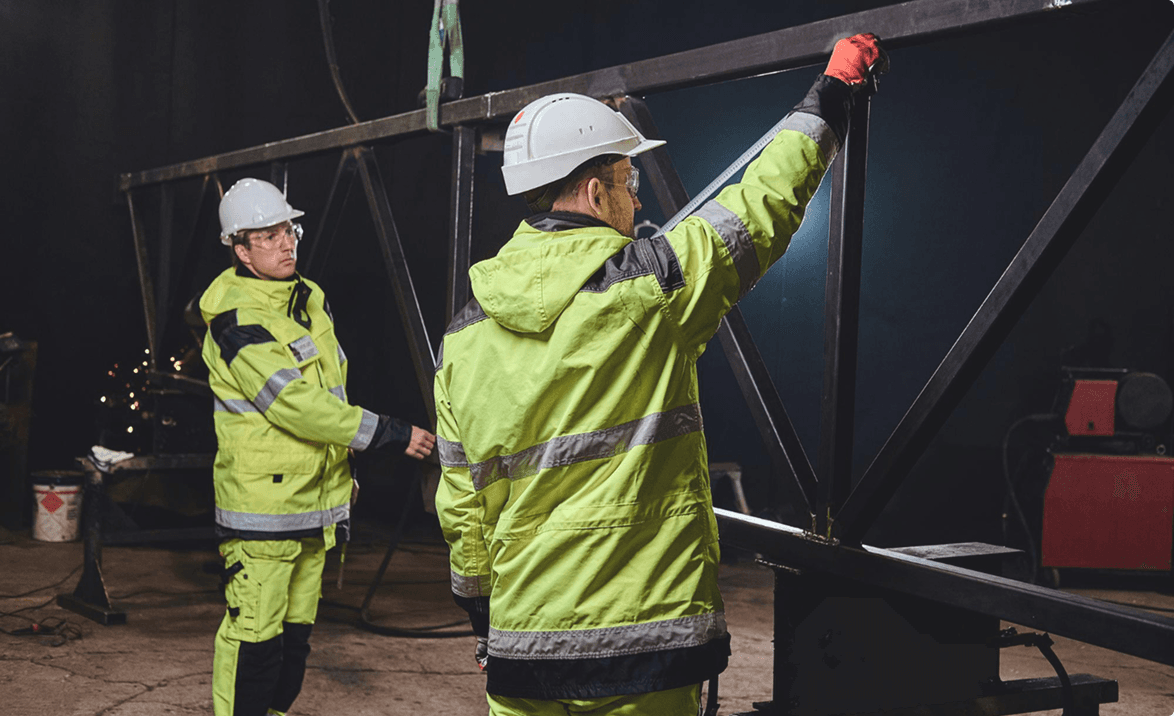
Stand Assessment Workflow
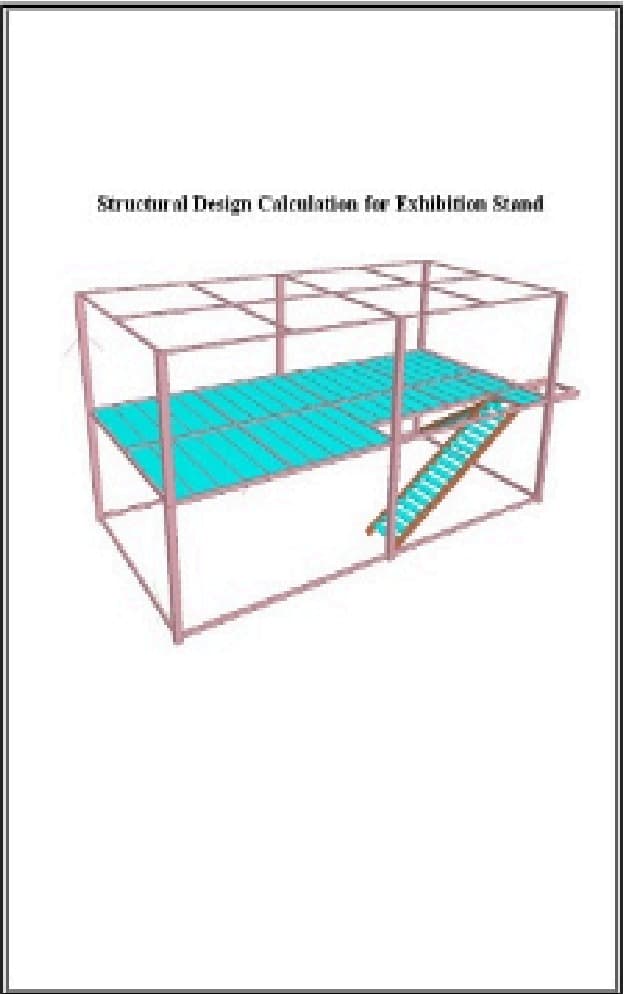
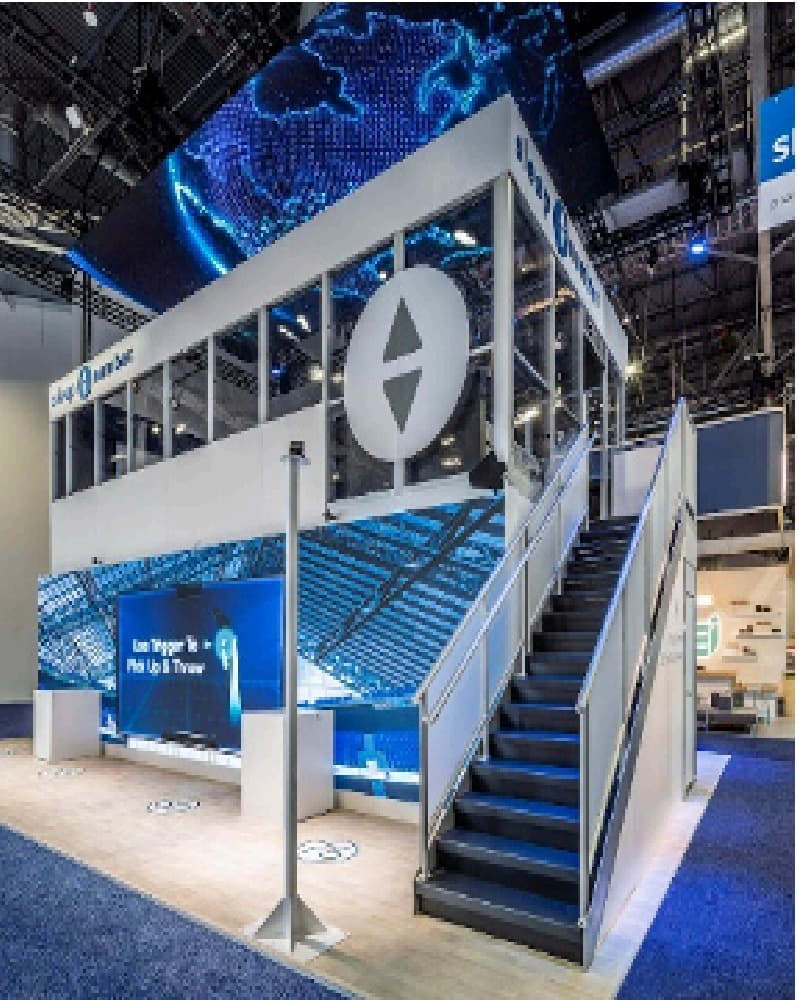

Typical Assessment Logic
Simple Design Review
Complex Design Review
Scope of Stand Auditing Services
Stand Auditing Services encompass a comprehensive technical and safety review of exhibition stand designs to ensure that all temporary structures erected within an exhibition venue are structurally sound, code-compliant, and safe for public occupancy.
Key Components of the Scope
Structural Design Review

Load paths and load transfer mechanisms
Vertical and lateral load considerations (dead load, live load, wind load where applicable)
Structural stability of double-deck, multi-storey, cantilevered, and suspended elements
Adequacy of columns, beams, decks, staircases, handrails, and guardrails
Engineering Calculations & Certifications
Structural calculation reports prepared as per applicable codes and standards
Factors of safety and permissible stress limits
Material specifications (steel, aluminium, timber, glass, composites, hybrid systems)
Joint detailing, connection design, anchoring methods, and base-plate adequacy
Compliance with Venue & Regulatory Norms
Venue-specific technical guidelines, height limits, and load restrictions
Fire and life-safety provisions (in coordination with fire consultants)
Safe access, egress routes, stair geometry, and barrier requirements
Risk Identification & Mitigation
Structural overloading identification
Inadequate bracing or lateral restraint assessment
Unsafe cantilevers or unsupported spans detection
Improper foundation, ballast, or base-plate design review
Clear engineering recommendations are issued to eliminate or mitigate risks before construction begins.
Permission to Build (PTB) Issuance
Upon successful technical clearance, a Permission to Build (PTB) is issued confirming that the stand design:
Has been reviewed by competent engineering professionals
Meets structural safety and compliance requirements
Is approved for construction within the exhibition venue
Importance of Professional Stand Auditing
Exhibition stands are temporary yet public-facing structures, often supporting:
Any structural or procedural failure poses direct risk to public safety, organisers, exhibitors, and venue owners.
Professional Stand Auditing ensures that:
Designs are reviewed by licensed Civil/Structural Engineers, not merely administratively approved
Engineering judgement is applied to load calculations, stability analysis, and failure scenarios
International designs are contextualised to local codes, venue conditions, and construction practices
Organisers demonstrate due diligence, risk governance, and insurer compliance
Risks of Unreviewed or Improperly Reviewed Designs
Structural collapse or partial failure
Injury to visitors, exhibitors, or staff
Legal liability, insurance disputes, and reputational damage
Last-minute dismantling, redesign, or show-floor disruptions
Why Stand Auditing Must Be Performed by Professionals
Stand Auditing is not a clerical or checklist exercise—it is a specialised engineering function requiring:
Expertise in temporary structures and modular construction systems
Understanding of dynamic loads, crowd loading, and construction sequencing
Ability to interpret complex drawings, calculations, and international design practices
Professional accountability and formal engineering sign-off
Engaging qualified professionals ensures that what is approved on paper is safe to execute on ground, safeguarding the public, the organiser, and the exhibitor alike.
Our Services




Get In Touch
Have any questions?
Contact Us


